



OPERATE · AI-First Cloud Consulting
AI-Native CloudOps
Reduce infrastructure operational effort with AI-assisted investigation and senior engineering oversight. Start with read-only analysis, agree the runbooks, and introduce remediation only after the controls have been validated.
What we do
Continuous monitoring
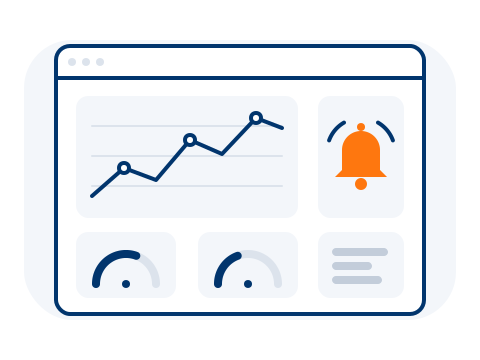
Bring infrastructure health, application signals, security events and cost changes into a shared operational view.
AI-assisted investigation
Correlate logs, metrics, deployments and configuration changes to build an incident timeline and investigate likely root causes.
Risk-based remediation
Define a narrow set of low-risk actions for automation only after testing and explicit approval. Higher-risk actions require human approval before execution.
Runbooks and escalation
Document the evidence, owner, escalation route, rollback and verification steps for each operational procedure. Agree coverage and response commitments in the service scope.
Auditable operations
Record recommendations, approvals and executed actions so engineers can trace what changed, why and who authorised it.
Recurring improvement
Review repeated incidents, noisy alerts and manual toil, then prioritise the next runbook or engineering fix.
What you get
- Operational baseline. an inventory of signals, incident patterns, manual tasks and reliability measures.
- Governed runbooks. documented permissions, approval gates, rollback and escalation for the agreed scope.
- Incident evidence. investigation notes and an audit trail of recommendations and approved actions.
- Service review. progress against the baseline and a prioritised improvement backlog.
Human-governed AI
AI assistance, engineering accountability
Start read-only. Agree access and responsibilities before introducing operational actions. Automation scope is established through validation with your team.
01
Assess and baseline
Scope the environment, connect agreed read-only signals, and record reliability, security, cost and manual effort.
02
Investigate and review
Use AI to assemble evidence and suggest actions. Senior engineers review findings and agree the next step with owners.
03
Approve and validate
Test runbooks, permissions and rollback. Enable only explicitly approved low-risk actions; require human approval for higher-risk changes.
04
Measure and improve
Keep audit trails, verify outcomes and revisit service boundaries through recurring reviews. Expand automation only when evidence supports it.
Evidence and outcomes
What we measure
Measures are agreed against your starting baseline. They describe what we track, rather than a guarantee of specific results.
Incident investigation time
Time from an actionable alert to an evidence-backed diagnosis.
MTTR and reliability
Time to restore service, alongside agreed availability and reliability indicators.
Engineering effort
Manual hours spent on recurring operational tasks and the proportion of approved actions safely automated.
How the engagement fits
AI CloudOps Managed is scoped as a monthly recurring engagement. Monitoring coverage, escalation, permissions and any automated actions are agreed before onboarding.
FAQ
Frequently asked questions
We start with read-only analysis and human review. Only explicitly approved low-risk runbooks become candidates for automation after validation; higher-risk changes need human approval. There is no blanket permission for an agent to change production.
Coverage windows, on-call responsibilities, response commitments and provider escalation are agreed in the contract. AI-assisted investigation does not replace an agreed support model.
Related offerings
Explore related offers
Cloud & AI Infrastructure Security
Protect infrastructure and AI agents with least privilege, scoped tool access, approval gates and evidence of operational actions.
AI Cloud Economics
Understand cloud, GPU and inference spend, detect anomalies, and prioritise savings with reliability and business value in view.
AI-First Cloud Consulting
All six cloud services and the assessment approach.